The hills are calling but when we answer the call sometimes we find the popular mountain tourist destinations full of trash and traffic. Invariably what's popular in these places are big-chain hotels, big-chain souvenir shops and super-markets. As a result a very small fraction of the tourist money trickles into the pocket of locals who bear the tax burden and inconvenience of living in a congested and trashed tourist mountain haven. Thus, in this gap between COVID waves as people flock to mountain escapes is an apt time for the theme of International Mountain Day 2021 to be Sustainable Mountain Tourism.
#InternationalMountainDay
— Raakhee Suryaprakash (@10sunshinegal) December 11, 2021
Truly #MountainsAreCalling!
With 2021 theme being #Sustainable Mountain #Tourism, let's remember to travel responsibly & #LeaveBehindOnlyFootprints whenever we #travel.
Pics with me & #mountains from #meghalaya #AbodeOfTheClouds 2015#SDG11 #SDG15 #SDG8 pic.twitter.com/7JJJadn5BE
So what is Sustainable Tourism?
Sustainable tourism is defined by the UN Environment Program and UN World Tourism Organization as “tourism that takes full account of its current and future economic, social and environmental impacts, addressing the needs of visitors, the industry, the environment and host communities.”
So how is this operationalized: Stay in local homestays and non-chain locals-owned hotels, buy souvenirs and local produce from the locals and commit to be a responsible visitor. See more on eco-tourism in this article by Ramala.
When we ensure sustainable tourism in the hills, hill stations and mountain-top tourist paradises, we ensure that leave behind only footprints and pleasant memories with their mountain hosts. This ensures that tourism there achieves a range of sustainable development goals (SDGs):
SDG8 - Sustainable livelihoods enshrined in the principles of sustainable tourism ensures Decent Work and Economic Growth in the mountain destination.
SDG11 - the organization of a Sustainable Community supported by sustainable livelihoods generated by responsibly used tourist money.
SDG12 - Responsible Consumption and Production of resources in the hill-top tourist draw.
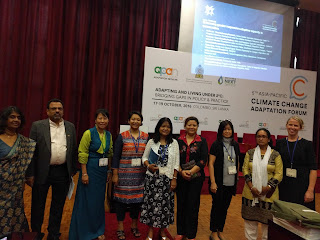
Former mountaineer, Ms. Tshering Uden Bhutia is a community leader from West Sikkim. She works with the community organization Khangchendzonga Conservation Committee (KCC) to promote eco-tourism in Sikkim, particularly in the trails leading up to Kanchenjunga, the third highest peak in the world and sacred to the both countries it straddles (Nepal and Sikkim in India). Uden and KCC have promoted Sustainable Mountain Tourism in Sikkim which has helped build resilience and create a sustainable community with sustainable livelihoods in the Himalayan state through a wide variety of activities. Uden has represented her state and organization in many fora but the APAN forum (5th Asia Pacific Climate Change Adaptation Forum in Colombo, Sri Lanka, October 17 to 19, 2016) was her first international venture. She part of the panel in the parallel session “Enhancing Gender Responsive Adaptive Capacity in Communities” on the last day of APAN 2016.
In her childhood Uden’s family tearoom served varieties of dishes using Maggi 2-Minute Noodles. And over her lifetime she witnessed the noodle wrappers take over her home. While climbing the peaks as well the debris consisted of food wrappers. Instant noodles and other instant foods cooked with just hot water are a great convenience for mountaineers and for people cooking in the open. It is used everywhere and is the fast food of choice as it is both easy to carry and easy to cook. Yet the plastic wrappers leaves a non-biodegradable wake behind tourists, trekkers, and mountaineers for only a fraction committed to “leaving behind only footprints.”
Since 1997, as a personal contribution to reducing waste she decided to avoid Maggi products and the like. She made her own instant noodles and carried it in reusable containers that she brought back, without littering in her wake. She opted for fruits and nuts to processed foods and though it was hard and sometimes expensive – and literally extra baggage, she developed and fully committed to the pro-planet habit. For as the KCC website puts it,
Conservation cannot happen with an empty stomach, hence KCC strongly believes in providing livelihood support to mountain people and facilitating them for alternative livelihood with minimum impact on nature and the rich culture, thus creating a win win situation among nature and its people.
KCC conserves natural and cultural resources through skill development programs, micro planning, awareness campaigns, monitoring of natural resources as well as by advocating for appropriate policy changes. Through KCC and other community level activities Uden now has more waste management, reducing, reusing and recycling programmes. The habit turned into a job creator and in turn she and other community leaders build pro-planet skills and capacities through training, exposure and other participatory means.
Source: http://www.redelephantfoundation.org/2017/01/being-pro-planet-taking-personal.html
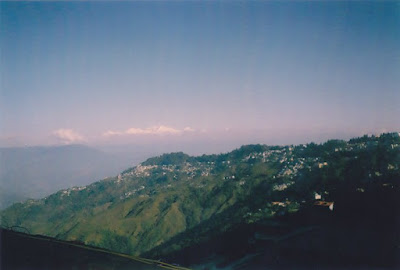
Coming from a coastal tropical metropolis (Chennai, Tamil Nadu, South India) I travel to mountains to experience a different ecosystem to my usual urban, coastal and hot one with limited wildlife and biodiversity. I also heed the call of the mountains to experience the beauty of the night skies, the thrill of experiencing snow fall and finding a cozy rest stop in the cold clime and enjoy the famed hospitality of communities from hills and their unique and delicious cuisine. For this reason I prefer homestays, engaging local guides to take us to the tourist spots and the little-known pristine spots teeming with all things wild before shopping and eating in local markets and eateries for an authentic experience that also puts my money in the hands of the hill-station's residents.
These are Indian perspectives, I asked a few people in the hospitality and travel sectors in hill stations in other parts of South Asia and they came through with great insights:
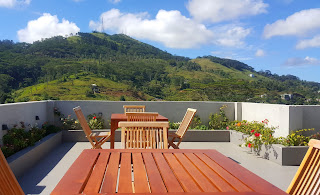
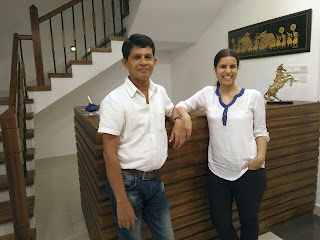
Devika Fernando, Author & Innkeeper along with her husband Thushara Fernando from Kandy, Sri Lanka had this to share:
“Kandy is a city surrounded by hills and mountains. Naturally, that means some guests want to go on hikes. Our inn is situated high up in Hanthana so it's a good starting point. Sustainable tourism in the mountains is something that's close to our hearts. My husband and I always advise our guests not to leave any trace of themselves behind - that especially means no littering! Not taking anything from the ecosystem back with them is just as important. Nature should be observed, not disturbed. Staying on the hiking trails is advisable too, for the tourists' safety as much as for all the animals that call these misty mountains their home.”
*
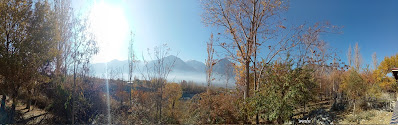
Syedda Ramla the mompreneur from Gilgit-Baltistan, quoted on her eco-tourism article before had this to share:
"My name is Syedda Ramla and I own BetterBonds, an online
shop for 'Himalayan Medixine' which is my modern take on traditional healing
with plants, crystals and honey. I make gemstones jewelry and herbal tea and
balms. We are at http://instagram.com/betterbonds. Hit us up!
So remember, next time you heed the call of the mountains, tread lightly, ecologically speaking and travel responsibly and leave the paradise, if not better than you found it at least as wonderful as it was when you got there!


